Your Tauranga based vet with ...
A REFRESHING APPROACH TO YOUR PET'S HEALTHCARE
Your Tauranga based vet with ...
A REFRESHING APPROACH TO YOUR PET'S HEALTHCARE
| Our Services | Complementary Therapies and Integrative Care
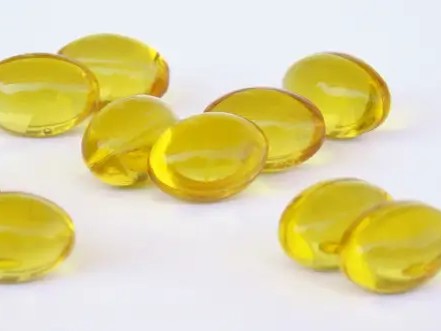
As is the trend in human medicine, presently our pets are faced more frequently with a set of dis-eases called degenerative diseases. These include conditions such as allergies, arthritis, heart disease, cancers and auto-immune dis-ease. What we feed our pets plays a great role in the development and management of these conditions.
Like us, animals benefit greatly from foods that have optimal amounts of vitamins, anti-oxidants, minerals, omega fatty acids and phytonutrients which help to keep them healthy and support their vitality when managing some of these conditions.
Recently more and more research has revealed that certain nutrients have specific therapeutic properties for example, glucosamine helps to improve joint function, co-enzyme Q10 supports heart function and has anti-cancer properties, Omega 3 fatty acids have anti-inflammatory effects and an amino acid called tryptophan helps to bring about the feeling of calmness and well-being which can be a very useful aid in reducing dominance associated aggression.
Nutrients that have been found to have such an effect are termed “neutraceuticals” ie. nutrients with pharmaceutical effects. There are a great wealth of these available. We make use of these incredible aids in assisting to promote wellness and address specific health issues without the side effects of drugs.
For more information on what to feed your pet CLICK HERE
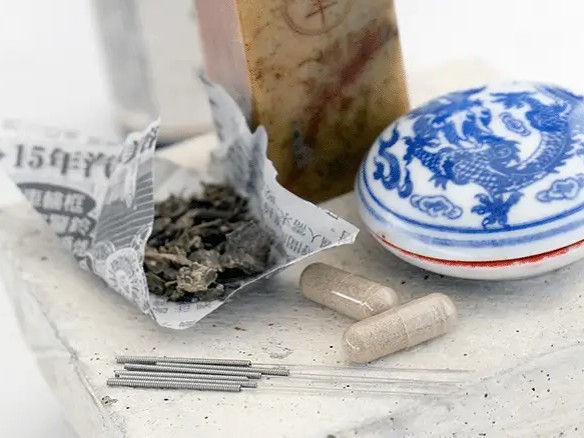
Developed by the Chinese more than 4000 years ago, the ancient practice of acupuncture has been revived and improved in the last century. It is both a science and an art. Some basic effects of acupuncture include Pain relief, immunity regulation, nervous system effects and specific symptom relief e.g. vomiting or coughing.
There are two different schools of thought as to how this potentially very effective therapy works.
There are various methods to stimulate the acupuncture points including:
Obviously, acupuncture has its limitations as with any modality but can work very well on its own, or when combined with conventional or other integrative veterinary medicine. For health and wellbeing, Acupuncture is suitable as a supportive treatment or adjunct treatment for use in animals with a variety of conditions including:
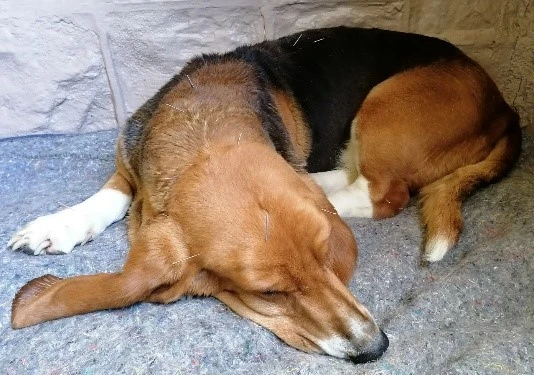
When administered by a suitably qualified practitioner, acupuncture is extremely safe. The single use needles are made of surgical grade stainless steel. Most animals tolerate them very well, and a lot enjoy the treatment with some even falling asleep. The sessions can last anywhere from 20 minutes to an hour. Acute conditions may respond to one treatment. Chronic conditions will likely need a few. Once the optimum response is achieved, the treatment interval is extended to the maximum amount of symptom free time that elapses between treatments.
Feel free to ask us if you have any further queries!
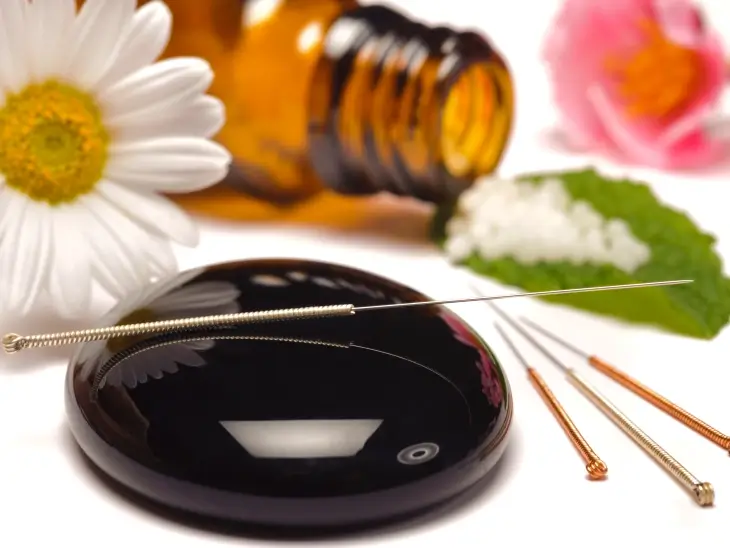
TCVM is an ancient approach to health that makes use of unique insights, such as the quality and nature of the pulse and appearance of the tongue, as well as an individual’s temperature preferences. Many factors are considered in combination to identify patterns in the body and areas where Qi (energy) flow, Yin, Yang or Blood may be compromised.
Where there is imbalance, there is dis-ease. The aim of TCVM is to maintain or restore balance of these four elements to help the body to heal. It makes use of four main branches of therapy to improve energy flow and ultimately health and well-being. These include:
TCVM can be a powerful tool to address many health issues including cancer, allergies, pain, digestive disturbances, endocrine problems like diabetes and cushings disease, organ dysfunction, behavioural/anxiety issues, seizures, paralysis and many more.
Often cases that are unresponsive to western medicine can be addressed successfully using TCVM.
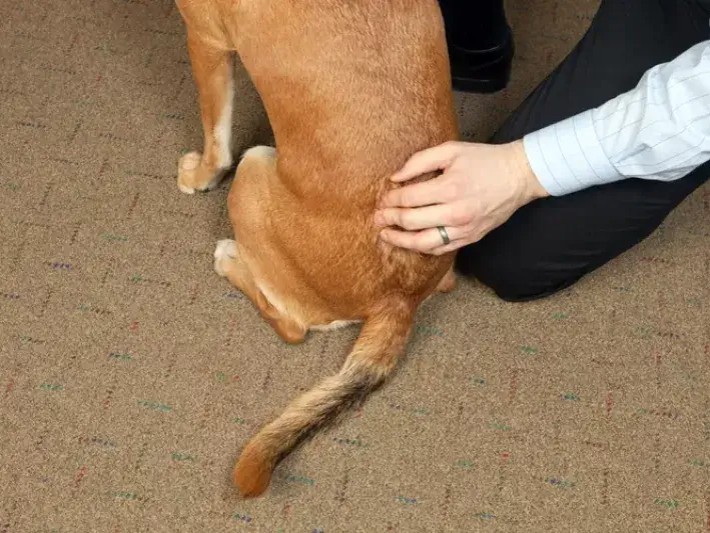
VMM is a manual therapy for animals performed by a trained and certified veterinarian, similar to human chiropractic care. Animals with restrictions requiring VMM may show a variety of symptoms including pain, weakness, nerve degeneration, behavioural problems, skin problems, stiffness, lameness, abnormal posture and gait, and poor performance.
VMM involves using non-invasive, hands-on adjustments to correct joint restrictions in the spine and limbs. This helps restore normal range of motion, relieves pain, relaxes muscles, and improves nerve function, blood supply and lymph drainage.
Restrictions of joint movement can occur for a variety of reasons. It can occur quickly after a traumatic injury, or it can be chronic due to compensatory movement for a problem elsewhere e.g. osteoarthritis, or due to a particular activity which leads to unbalanced motion e.g. constantly running in the same circular direction. Whatever the cause, restrictions are extremely common and can lead to wide array of consequences such as those mentioned above as well as joint degeneration, and increased risk of injury due to abnormal movements.
Restrictions are diagnosed by “motion palpation”. Once identified they can be corrected by a very specific movement. Manipulations involve gentle motion and sometimes a specific, directed thrust along the plane of the joint. The treatments are subtle but effective. Most animals are not even aware they are being treated but feel much relief afterwards. Animals that are more at risk for restrictions include older patients, working dogs, extremely active/adventurous animals, obese animals, and animals with co-morbidities affecting movement e.g. osteoarthritis or amputees.
How it works
How often?
This very much depends on the patient’s condition, chronicity of the condition and if there are any other conditions. Some animals may benefit from a single treatment. Others may need a course of treatments. And yet others may need VMM regularly.
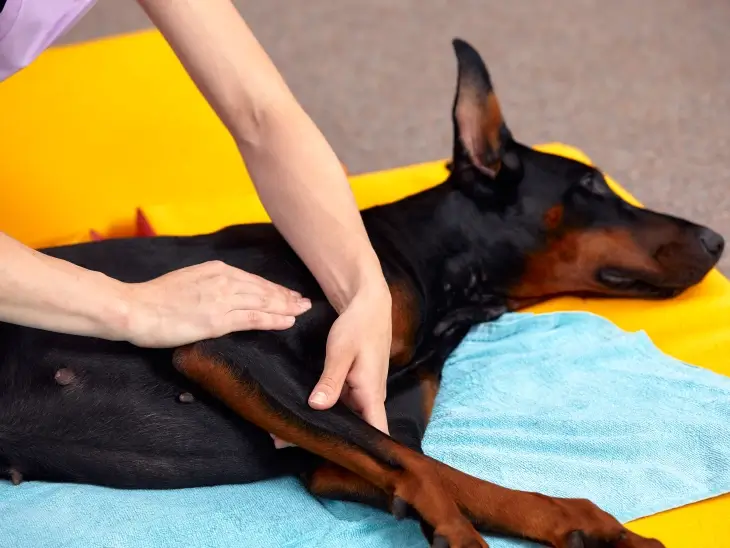
This professional service encompasses an array of beneficial therapies used to help with many conditions. It’s useful for musculoskeletal problems, post-surgery, neurological problems, weakness, recovery from injuries, osteoarthritis, calming, obesity, and general health. It’s also used to prevent injuries in compromised patients or dogs competing in specific activities.
Rehabilitation therapy combines:
Rehabilitation therapy is often combined with other integrative techniques such as acupuncture and Veterinary Medical Manipulation.
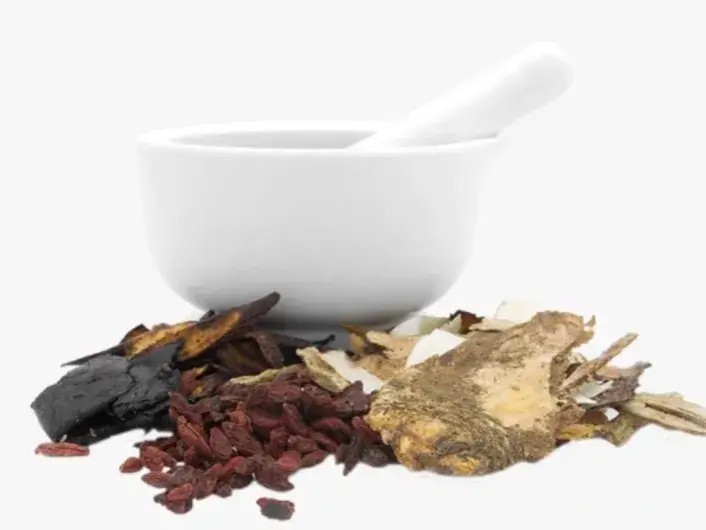
Herbal medicine has been used for thousands of years and is the basis of many of our traditional modern drugs. The active ingredient of certain medicines have been isolated from plants that have been known to have a therapeutic effect. Unlike pharmaceutical drugs which target a specific area and often have side effects, herbs typically act in a number of ways and many negative side effects of just one active ingredient may be neutralized by making use of the plant source, as nature intended.
Animals instinctively know the many benefits of herbs as they're observed self medicating eg. Dogs and cats eating grass when they have upset tummies. Specific herbs or a tailor-made herbal formula can be invaluable aids in helping to promote health and well-being.
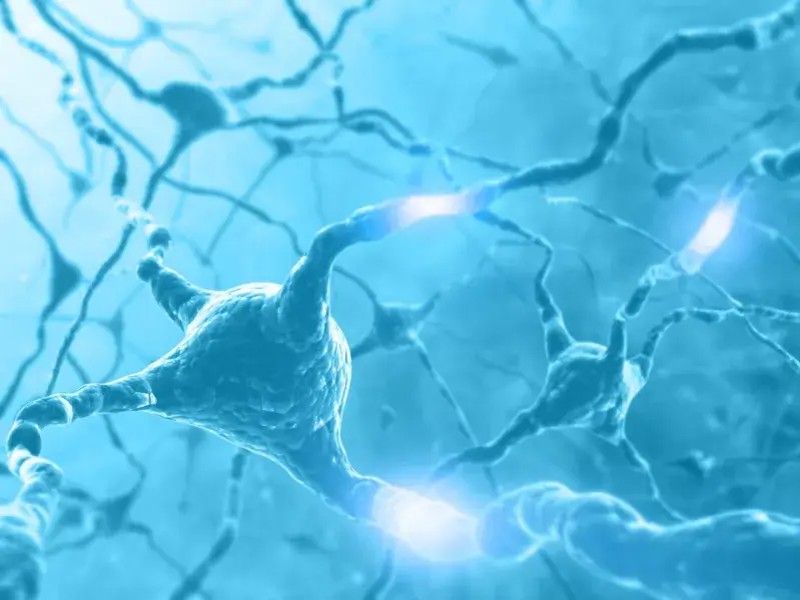
Neurological Integration System, NIS, which is a highly effective, gentle way of re-establishing balance in the body and aids in the healing of many conditions.
NIS has been developed as a healthcare system (at the Neurolink centre) primarily for humans, taking into consideration acupuncture meridians, principles from other healing modalities and the body's inherent healing wisdom. It works on the premise that the body has a remarkable capacity to heal itself. When this healing ability is impeded and dis-ease is present, NIS views this as a failure of the body to recognise the problem and institute its incredible restorative capacity to self heal.
A useful analogy is to consider a light being switched on at the wall. If there is a break in the circuit between the light and the switch, then the light simply won't light up when the switch is flicked. But if the circuitry is functional, then with just one flick of the switch - "Hey Presto", there's light!
Similarly, if all of the body's circuits are functional, then the manifestation of dis-ease is not likely as all healing systems will be in place and working as they should to ensure the early recognition of any imbalance which will bring about restorative processes to ensure that health is maintained.
With a series of muscle tests, NIS identifies which of these circuits are malfunctioning and allows us some insight into establishing a reason behind the animal's discomfort. We then proceed to integrate the circuits of the body and thereby re-establish their working capability. The body then works wonders in its efficient and elegant manner to relieve pain and to restore health.
A NIS session can take ten to forty minutes depending on the severity of the animal's illness. Animals usually relax during NIS and generally respond well after just one session. Results are sometimes immediate and occasionally miraculous but when you know what the magician knows, it's no longer magic!
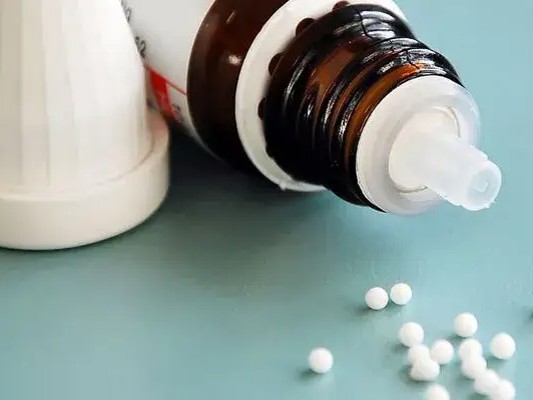
Homeopathy has been around for many years and is a modality that has been growing significantly in popularity over recent years. Remedies made from plants, animal products, minerals and occasionally conventional drugs and even disease matter are diluted to such an extent that until recently science couldn't measure or understand how they might have an effect.
Homeopathic remedies work gently, but often powerfully, to restore health and assist the patient in regaining vitality. Rather than treating the disease, in most cases homeopathy is directed at treating the individual by stimulating the body's natural healing forces. Many remedies are invaluable in any healing process and are very handy to have as part of a first aid kit, for example; Arnica for bruising.
FUN FACT: Did you know that the British Royal Family have used and endorsed homeopathy for three generations? In fact, the Queen allows only the use of Homeopathy for her beloved Corgis and horses!
Other well known users of Homeopathy include American presidents (Garfield, Arthur, Harding, Hoover and Clinton), John D. Rockfeller (who lived to 99 years of age), Henry W. Longfellow, Washington Irving, Nathaniel Hawthorne, Harriet Beecher Stowe, Mahatma Gandhi, Mark Twain, Samuel Morse, Henry David Thoreau, Johann Wolfgang Goethe, Mother Teresa, Charles Darwin, Sir William Osler (the "father of modern medicine") and August Bier, MD (the "father of spinal anesthesia"), just to name a few! A number of popes have also used the medicine successfully, including Pius X and John Paul II.
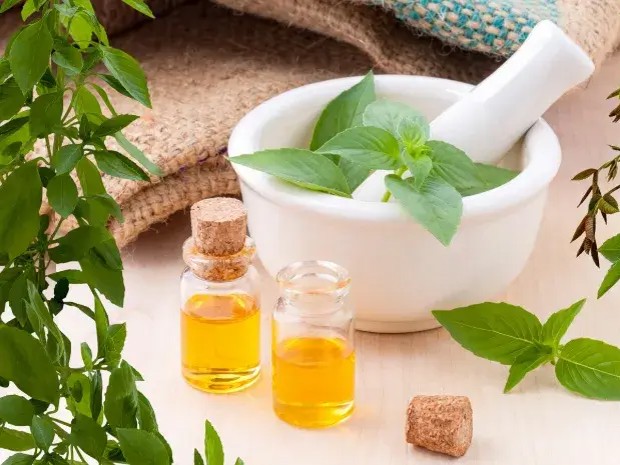
Essential Oils (EO's) are the subtle, volatile liquids that are distilled from plants, shrubs, flowers, trees, bushes and seeds. Oil distillation is an ancient process that was almost forgotten, but this delicate and precise art is now being rediscovered.
Being concentrated, essential oils contain virtually all of the plants healing nutrients, oxygenating molecules, amino acid precursors, cofactors, trace minerals, enzymes, vitamins and hormones. And because they are concentrated EO's are at least 50-70 times more potent than the plants they are derived from.
Because EO's contain such high amounts of oxygenating molecules, they are very effective delivery agents bringing energy and nutrients into the cells of the body where they are used to support cellular function.
In pets, EO's are sometimes infused into the air (as simply as dabbing onto a ceiling fan blade or a wagging tail!) to best penetrate respiratory tissues. They are often also applied to footpads or other hairless skin areas for quick absorption into the whole body. Care must be exercised with this, as some oils need to be diluted with carrier oils (usually sesame or olive oil) to avoid irritating sensitive tissues. EO's may also be given internally, but only with vet supervision as they can have toxic effects.
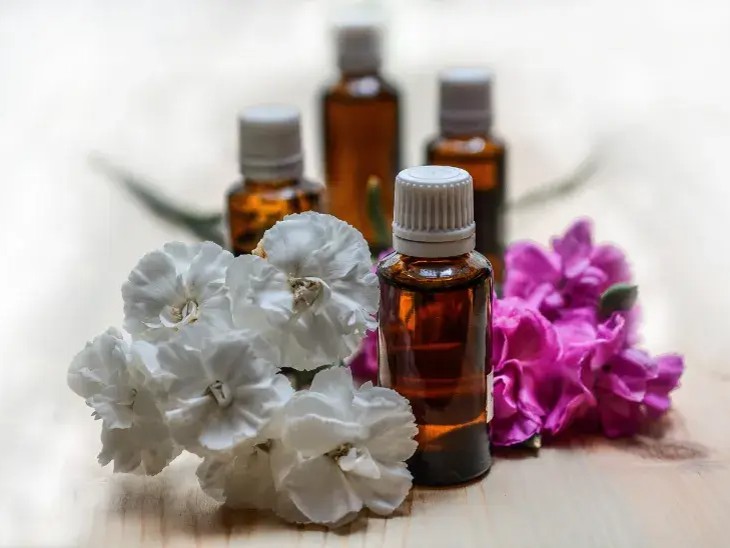
Flower essences, a form of vibrational medicine, were first developed in the early 20th century by a famous British physician and homeopath, Dr. Edward Bach (1886-1936). He noticed that specific flowers found in the British countryside uniformly affected human emotional states, and made extracts from these flowers to correct psychological imbalances in his patients.
Early in his career, Dr. Bach became aware that a patient's personality and attitudes had an effect on their physical health. He became increasingly dissatisfied with the limitations of western medicine, which aimed only to alleviate symptoms and failed to see the patient as a whole. His most famous remedy is Rescue Remedy, which is a combination of 5 flower essences which act synergistically to calm stress and fear.
The Bach flower essences are derived from British wildflowers, but new essences have been developed from regional plants and flowers from all over the world, e.g. California, Australia, New Zealand and Europe.
Though used primarily for emotional and behavioral issues, flower essences can also promote physical healing by bringing the body back into vibrational balance.
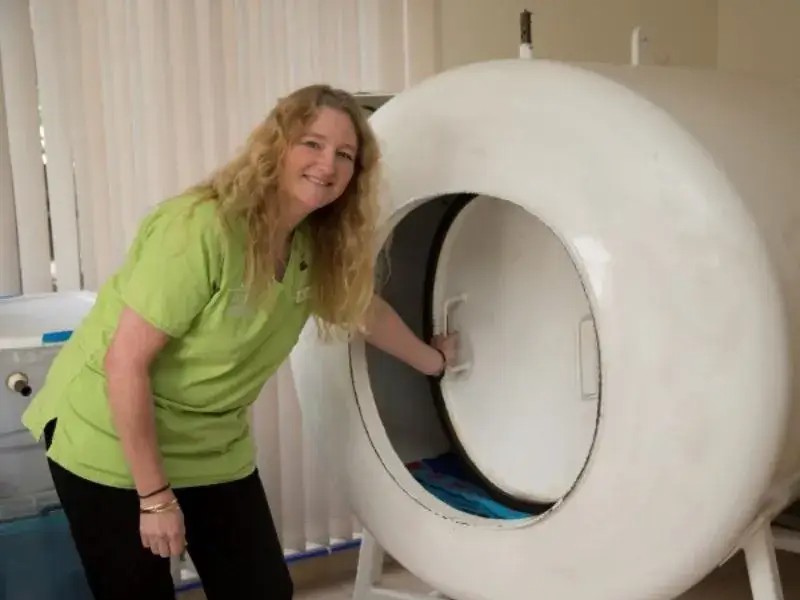
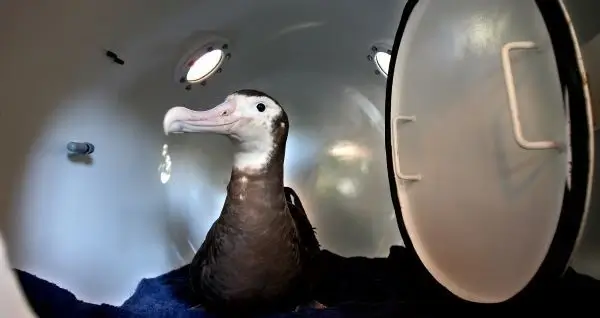
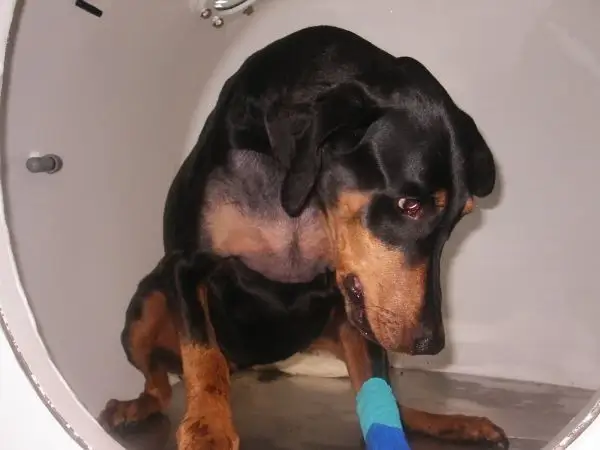
Hyperbaric Oxygen Therapy or "HBOT" is most often used as an "adjunctive treatment". This means that it is used in conjunction with other forms of treatment and is a part of the total medical treatment package or care regime.
Sitting in the chamber and being placed under pressure, like divers submerging under 10 metres of water, oxygen dissolves into all of the body fluid and tissues. This means that it can easily reach important areas such as injury sites and the central nervous system (brain and spinal cord) to which oxygen delivery might be compromised in an injured or diseased animal.
Oxygen, provided at optimal levels has profound anti-inflammatory, anti-microbial and tissue healing benefits. It can accelerate healing dramatically and assist in conditions where there is an oxygen deficit.
HBOT may be suitable alone or in conjunction with conventional or other complementary therapies for animals with a range of conditions including:
CAN ANIMALS BENEFIT FROM HBOT?
Oxygen Therapy is particularly well suited to treating animals and research indicates that animals have around five times the accelerated rate of tissue healing than humans, which can greatly speed the resolution of illness and recovery from injury. HBOT is a non-invasive and well tolerated therapy for a large range of veterinary conditions.
ARE THERE ANY SIDE EFFECTS FOR THE ANIMALS?
HBOT is a remarkably safe treatment. Occasionally animals experience mild discomfort in their ears but they generally tolerate this therapy extremely well. Only animals who have certain kinds of ear, sinus or lung problems, or are critically ill may not be able to be treated.
During HBOT the animal simply sits or lies down and relaxes in the chamber, breathing pure oxygen while the chamber is pressurised. A treatment session lasts 1 to 2 hours and animals typically respond beautifully to as little as 1 to 5 treatment sessions depending on their individual needs.
View Some 'HBOT' Cases
WHAT IS PROLOTHERAPY?
"Prolotherapy" is derived from the words “proliferation therapy." This therapy literally causes supporting tissue to proliferate (via inflammation) around the affected joint in order to stabilize the joint and alleviate pain. It is one of the oldest, yet little known, modalities for the resolution of pain and lameness.
Some animals are not be good candidates for surgery. If they are too old or too active to manage the weeks of post-operative rest, prolotherapy is an excellent alternative as it is much less invasive and carries very low risk overall.
HOW SUCCESSFUL IS PROLOTHERAPY?
WHEN IS PROLOTHERAPY INDICATED?
Prolotherapy is used to treat certain cases of cranial cruciate rupture/instability, chronic lameness, hip dysplasia, elbow dysplasia, partially torn ligaments and a variety of other conditions.
Your pet will undergo a thorough clinical examination and have radiographs taken, to assess whether they are suitable candidates for this procedure. In some instances, for example, if there is any clicking in the knee joint, it means that the menisci in the joint are damaged and surgery is the more suitable option.
WHAT TO EXPECT…
Animals undergo a full general anaesthetic for the duration of the procedure. Generally, 3-5 treatments, 3-4 weeks apart are needed to fully assess the outcome.
Moderate to severe pain is the most common side effect and can last up to 7 days post-procedure. During this time your pet is provided with specific pain medication to keep them as comfortable as possible. It is important to bear in mind that it is the body’s inflammatory response to the treatment, that determines the success of this procedure. Therefore, it is important not to use non-steroidal anti-inflammatories, which are commonly used to address pain.
Crate rest of your pet after the procedure is not necessary. In fact, it is important that pets be encouraged to move around as much as possible but not with over-exertion such as running. One week after the procedure, walking and swimming should be encouraged as much as possible. Certain passive range of movement exercises are recommended and physiotherapy if possible.
SIDE EFFECTS AND POTENTIAL RISKS
Please feel free to ask our team for more information if you have any questions or queries.
An animal's body can be exposed to an onslaught of toxins and chemicals from pollution in the environment, food additives and even the body's own metabolic function, especially when the system has become sluggish and its ability to clear these toxins out may be compromised.
Supporting the body holistically, one of the areas that we address to assist and encourage the inherent healing wisdom of the body to do what it does best and heal is detoxification.
Homotoxicology works towards eliminating toxins, which might be obvious in high amounts or present in very subtle quantities, from specific parts of the body, for exapmle the digestive, lymphatic or unrinary systems, and even the nerve tissues and brain. Removing the toxins has a similar effect to unclogging the engine of a car and the analogy follows that if the car is getting the right fuel and it's engine is well tuned, it will run well ... similarly, a physiological system free of toxins is much more able to function optimally and heal.
Fur analysis helps to determine underlying disease patterns, nutritional issues, and epigenetic states of our patients. A gene is a segment of DNA and science has shown that we and our animals can change the way our genes express themselves by making lifestyle choices.
Epigenetics is the study of external or environmental factors that turn genes on and off and influence how cells interpret and express the genetic code. This can be beneficial in helping to improve the health and well-being of our animals and their people!
We are excited to have a new service provided by Jody, our vet nurse, at Holistic Vets that helps to identify the factors that activate these pathways through fur analysis. Through dietary adjustments, this can be helpful to address many health issues including:
For more information or to book your pet’s fur analysis appointment, contact Jody on 027 222 0229
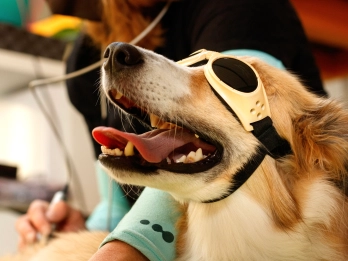
Therapeutic Lasers use light energy to manage pain, reduce inflammation, and promote the healing of wounds and injuries, including nerve damage.
Light waves from therapeutic lasers have a specific wavelength that are absorbed by cells of the body and activate repair as well as growth and proliferation. In addition to this, laser therapy helps to facilitate muscle relaxation, vasodilation (increased blood flow to bring nutrients and oxygen to cells and remove waste products) as well as endorphin release resulting in reduced pain and relaxation.
Laser therapy is used in veterinary medicine as a primary or complementary therapy for a number of conditions including:
Veterinary patients typically tolerate the treatment very well as the laser is moved slowly over the affected part of their body, generally producing a warm and pleasant sensation which most animals enjoy. A treatment session lasts between 3 and 30 minutes and is performed daily to weekly, depending on the patient’s condition.
Laser beams directed into the eye can cause serious damage so caution must be taken to avoid this. High-powered units may cause burns to the tissue if used inappropriately. It is important not to use laser therapy if the area has active bleeding or it is wet. When laser therapy is used correctly, it is an invaluable aid to support healing.
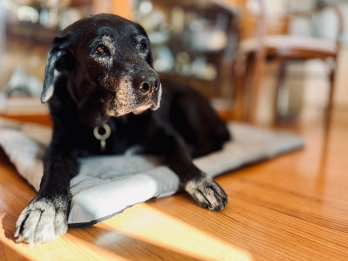
PEMF (Pulsed Electromagnetic Field) Therapy uses low-frequency electromagnetic fields to support healing by reducing pain and inflammation, increasing tissue oxygenation, stimulating cellular and bone repair, and promoting well-being.
It is often used for post-surgical/injury recovery, fracture healing, arthritis management and as a general boost to cellular function. PEMF is considered a safe and non-invasive treatment that has minimal to no side effects and may be used to complement other therapies.
Veterinary PEMF is delivered making use of a device, by a therapist, or a mat/bed/pad that animals lie on, which is a wonderful way to deliver this therapy at home. Treatments may be one to four times a day for a few days or weeks depending on the condition being treated. Animals generally relax during treatment and many respond positively to this non-invasive and gentle therapy.
Emergency
Holistic Vets offer a 24 hour emergency service which can be reached on:
07 578 7054
Opening Hours
Monday - Friday: 8:30am-5:30pm
Saturday: 9.00am-12.00pm
Sunday: By appointment (Emergencies only) 11.00am-12.00pm
For After-Hours Emergencies please ring 07 578 7054 for the number of our duty vet.
We are open for early morning drop offs from 8am - 9am and available by phone from 9am
HOLISTIC VETS AWARDS AND ACCOLADES